Ultimate Guide to Vehicle Repair Services: Discovering a Dependable Auto Mechanic Close to You
Identifying a dependable auto mechanic is vital for vehicle maintenance and safety. Numerous people deal with standard maintenance hurdles that can cause frustration and unexpected costs. Knowing what services are available and knowing what to look for in a mechanic can make a big difference in both performance and budget. With the right approach, you can develop a strong connection with a mechanic. Still, the path to discovering that best fit requires careful thought and multiple key steps.
Frequent Auto Repair Problems and How to Solve Them
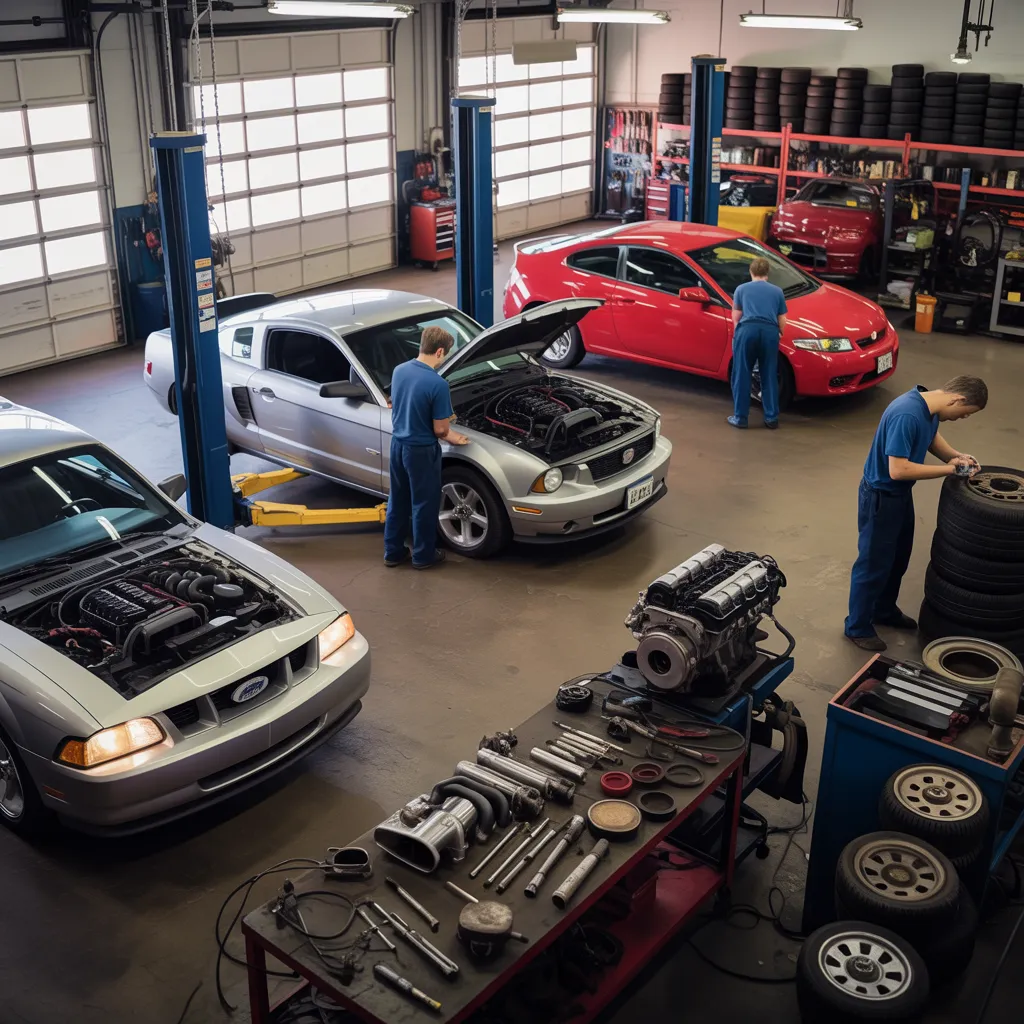
What obstacles do car owners frequently face when seeking repair services? A great number of car owners deal with insufficient transparency concerning repair pricing and available services. Frequently, quotes may fail to address all possible problems, resulting in unforeseen costs. Additionally, trust becomes a significant concern; car owners may feel uncertain about the qualifications of mechanics, fearing they might be overcharged or misled. Scheduling conflicts can also pose challenges, as busy repair shops may not accommodate urgent needs. In addition, insufficient awareness of typical vehicle problems can make owners susceptible to unneeded services. To address these difficulties, thorough research is vital. Studying feedback and asking for referrals can assist in locating trustworthy service providers. Furthermore, collecting several quotes can offer insight into reasonable pricing. In conclusion, gaining knowledge about essential automobile care can strengthen owners' positions, helping them interact more effectively with repair professionals and arrive at sound decisions about their vehicle's servicing.
Types of Car Repairs and Finding the Right Auto Mechanic
Automobile owners must handle different kinds of repair needs, each requiring specific expertise and knowledge. Common repairs include transmission work, electrical system repairs, brake services, and engine diagnostics. Engine diagnostics rely on detecting faults with the help of cutting-edge instruments, while brake maintenance concentrates on ensuring maximum safety and reliability. Transmission servicing is often complicated, typically demanding highly trained technicians, and electrical system maintenance tackles concerns involving circuits and associated components.
When searching for an auto mechanic, it is important to take into account the type of service needed. Auto mechanics frequently have areas of specialization, making it important for car owners to align their vehicle's particular problems with the mechanic's skill set. Moreover, familiarity with the car's make and model can streamline the repair process. By knowing the types of repairs required and selecting the appropriate auto mechanic, car owners can guarantee their vehicles receive the appropriate care, leading to enhanced reliability and longevity.
What to Look For in a Reliable Auto Mechanic
When seeking a trustworthy car mechanic, how can one guarantee they are choosing wisely? Essential elements to assess include customer reviews, certifications, and experience. A reputable mechanic often holds qualifications from established organizations, demonstrating they have completed thorough training and follow industry guidelines. Furthermore, experience serves a critical function; a mechanic who has worked in the industry for several years will probably demonstrate greater familiarity with various vehicle models and issues.
Client feedback give helpful details into a mechanic's reliability and quality of service. Favorable reviews and strong ratings can indicate a dependable expert. Additionally, transparency in pricing and clear communication are essential traits. A dependable mechanic should give comprehensive quotes and outline repairs in plain language. In addition, a comprehensive warranty covering parts and labor can reflect their commitment to quality, providing the vehicle owner with confidence and security.
Finding Local Mechanics Through Effective Research
What are the best ways to research local mechanics to ensure a smart decision? To begin, making use of online resources is key. Sites like Yelp and Google Reviews supply user feedback and scores, offering valuable insight into mechanics' credibility. Additionally, social media platforms can help identify local options and highlight community recommendations.
An additional useful approach includes asking friends or family for referrals, as firsthand experiences frequently provide reliable recommendations. Checking out local automotive forums can also be highly advantageous, where automotive aficionados discuss their encounters and offer guidance.
When a handful of potential mechanics have been found, reviewing certifications and connections with professional organizations, such as the Automotive Service Association (ASA), can boost confidence in their expertise. Furthermore, stopping by the shops personally allows for evaluating cleanliness, organization, and customer service, which further guides the decision-making process. Performing detailed research helps individuals identify a mechanic who aligns with their needs and expectations.
Critical Questions to Pose to Your Mechanic?
When looking for auto repair services, it is important to ask the right questions to guarantee quality care. Ask about the technician's credentials and expertise, as well as the particular services they provide and their pricing model. Such questions can help set clear expectations and build trust in the repair process.
Background and Qualifications
Selecting the right mechanic can greatly affect a vehicle's longevity and performance. When evaluating potential mechanics, it's important to inquire about their qualifications and experience. Potential customers should ask how long the mechanic has been in the field and whether they focus on specific vehicle types or brands. Additionally, certifications from recognized organizations, such as the National Institute for Automotive Service Excellence (ASE), can reflect a mechanic's adherence to industry standards. Looking into ongoing education and training is also valuable, as it reflects a mechanic's dedication to staying informed about the latest technology and repair techniques. Lastly, seeking recommendations or reading reviews can offer important information about a mechanic's reliability and skill level.
Available Services and Pricing
Comprehending the variety of services offered and their corresponding costs is vital for any vehicle owner seeking reliable car repair. Automobile owners should look into specific services such as oil replacements, brake repairs, tire rotations, and diagnostics. It is necessary to seek a detailed breakdown of fees, including labor and parts. Price transparency can prevent unexpected expenses and foster reliability. Additionally, vehicle owners should investigate if the mechanic provides warranties on repairs, as this can demonstrate their commitment to quality. Reviewing rates across local repair shops can assist in identifying fair rates. In the end, asking these key questions assures that vehicle owners reach well-informed conclusions regarding the upkeep and maintenance of their vehicles.
Indicators of a Reliable Auto Repair Shop
A reliable auto repair shop demonstrates several essential characteristics that make it stand out from less credible establishments. To begin with, transparency is fundamental; a dependable shop provides clear, detailed estimates and communicates the necessary repairs without resorting to technical terminology. Additionally, customer reviews and recommendations hold considerable weight; favorable reviews from former patrons frequently demonstrates a devotion to superior service.
Another key indicator involves having credentialed mechanics. Shops employing ASE-certified mechanics showcase a standard of professionalism and expertise that builds confidence. Moreover, a reputable auto repair shop keeps a tidy and well-structured workspace, showcasing its dedication to precision and high standards.
Moreover, a trustworthy establishment prioritizes customer service, ensuring that customers feel valued and heard. This entails checking in on repairs and resolving any issues in a timely manner. Together, these characteristics create an environment where customers can feel certain about the standard of service delivered.
Why Routine Maintenance and a Reliable Mechanic Are Important
Routine maintenance plays a vital role in prolonging a vehicle's lifespan and ensuring peak performance. A trustworthy mechanic not only delivers dependable service but also helps identify potential issues before they escalate, ultimately leading to cost-effective repairs. Recognizing these elements underscores the significance of adopting a preventive strategy for vehicle upkeep.
Advantages of Preventive Maintenance
Regular preventive maintenance can considerably extend a vehicle's longevity and enhance its performance. Regular inspections and timely services, such as oil changes and tire rotations, can identify potential problems before they turn into expensive problems. This proactive approach not only cuts expenses but also ensures that the vehicle performs efficiently, enhancing fuel economy and lowering emissions. Additionally, following a scheduled maintenance plan can copyright the manufacturer's warranty, delivering greater peace of mind. A properly maintained vehicle is also safer, as routine checks can address vital components like braking systems and steering. Ultimately, routine maintenance builds reliability and improves the driving experience, making it essential for vehicle owners to prioritize these services.
Trustworthy Mechanic Importance
Frequently underestimated, the significance of having a trustworthy mechanic cannot be understated. A skilled mechanic functions as an critical partner in vehicle ownership, providing not only technical skill but also reassurance. Routine upkeep performed by a skilled professional helps prevent unexpected breakdowns and increases the lifespan of your car. Reliable technicians build connections based on transparency and communication, ensuring that drivers are kept up to date on necessary repairs and maintenance schedules. This fosters an environment where customers feel confident in their decisions, avoiding the pitfalls of subpar service. Ultimately, a skilled technician is irreplaceable, helping to maintain vehicle safety and performance while minimizing future inconveniences and costs.
Cost-Effective Repairs Overview
Timely maintenance greatly reduces the overall cost of owning a vehicle. Regular check-ups and minor repairs can stop serious complications that cause expensive breakdowns. A good mechanic not only spots concerns ahead of time but also delivers excellent workmanship, making certain that work is performed properly on the first attempt. Such a forward-thinking strategy minimizes the risk of recurring issues and extends the life of your vehicle. Furthermore, fostering a steady rapport with a reliable mechanic fosters transparency regarding repair costs and necessary services. Through committing to routine upkeep and choosing a trustworthy technician, vehicle owners can enjoy a smoother ride and potentially save hundreds, if not thousands, in repairs over time. Investing in maintenance is ultimately a smart financial decision for all drivers.
Frequently Asked Questions
How Can I Request a Quote Before Repair Work Starts?
To secure an estimate before repair work starts, car owners should ask for comprehensive quotes from various car repair professionals, requiring them to supply an itemized list of parts and services. This strategy promotes educated decisions and supports clarity.
What Types of Warranties Do Auto Repair Shops Usually Provide?
Auto repair facilities generally offer guarantees on parts and workmanship, ranging from 30 days to several years. Coverage varies by shop, so customers should inquire about specific terms and conditions before authorizing repairs.
What Signs Should I Be Aware of Before Taking My Car to a Mechanic?
Before taking your car to a mechanic, you should look out for strange sounds, warning lights, fluid drips, decreased performance, or vibrations. These signs indicate underlying problems that require expert assessment to maintain the safety and reliability of your vehicle.
How Often Should My Car Be Serviced?
Most experts recommend having a vehicle serviced every 5,000 to 7,500 miles, or a minimum of twice annually. Consistent servicing helps secure peak performance, boosts overall safety, and extends the life of the vehicle, making it essential for car owners.
What Forms of Payment Are Accepted at Most Auto Repair Shops?
The majority of auto repair shops provide various payment options, including cash, credit/debit cards, checks, and financing options. Some may also accept mobile payment solutions or present flexible payment jump in arrangements to accommodate customers' financial needs and preferences.